Experience personalized chiropractic care focused on relieving pain, restoring movement, and improving your quality of life—all in a warm, welcoming environment where you’re treated like family.
The $79 New Patient Special does not apply to neurological patients, Medicare or Medicaid recipients, or motor-vehicle-accident (personal-injury) patients.
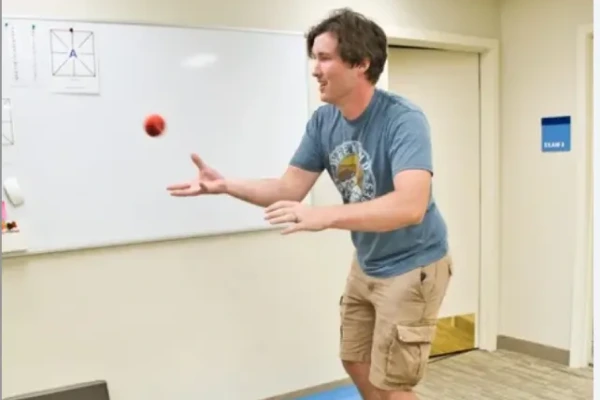
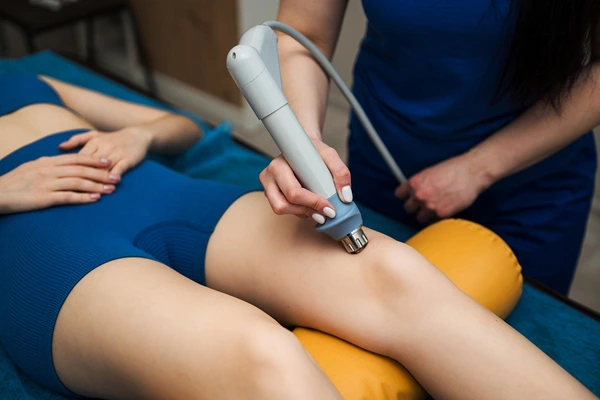
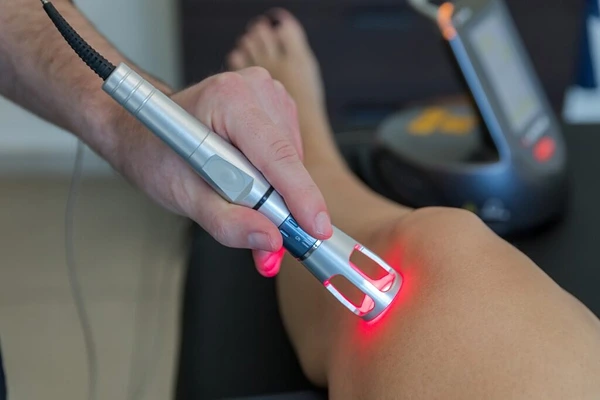
Hey, I’m uh Eric. I’ve been with Dr. McNamara for about a month now. Uh when I originally came in, u you know, the main complaint was neck pain and dizziness. Um which Dr. McNamara was able to look at and diagnose is some vestibular issues that were going on inside of my brain that um I was having some imbalances. things that we have done uh for treatment are cervical decompression, shockwave therapy, uh class 4 laser. All those have been fantastic and have helped me a lot. I’ve seen great improvement since I’ve been with them.
Hi I’m Judy I just completed dr. Joe McNamara’s detoxification program I spent 25 days on the program I lost 12 pounds I feel great and I recommend it to anybody who’s wanting to lose weight safely and quickly and see immediate results
Latest from Dr. McNamara
What is Shockwave Therapy?
Welcome To McNamara Chiropractic
Stay Active, Stay Strong,
Stay Pain-Free!
Welcome to McNamara Chiropractic, your trusted source for chiropractic care and Chiropractic Neurology in Cumming, GA. Dr. McNamara is a highly trained Chiropractic Neurologist with expertise in treating everything from simple back pain to complex neurological cases. With hundreds of hours of post-doctorate studies in neurology, concussion and brain trauma rehab, you can trust that you’re in good hands.
Please Call 770-781-4200 To Schedule An Appointment.
At McNamara Chiropractic, we understand that overall health is more than just an adjustment. Physical activity, nutrition, and brain health are our main focus. Dr. McNamara is a board-certified Chiropractic Neurologist with hundreds of hours of training in nutritional neurochemistry, movement disorders and post-concussive syndrome.
Quality Care
We believe in quality care tailored to your needs. We listen to our patients and respond with effective treatments that improve their health and well-being.
Informed Patients
We also believe in informing our patients about their health and treatment options. Whether you’re a new patient or experiencing an emergency, we’re always here to help.
Please Call 770-781-4200 To Schedule An Appointment.
“Dr. Joe is beyond the best chiropractor. He is an extremely intelligent physician who is in tune with areas outside of what you think a chiropractor would know. I was calling for an appointment and going over my symptoms when … After listening very carefully, he said, “Fran, I think you should go to the Emergency Room. It sounds vascular and you should seek immediate attention.” Of course I hesitated by a day but when my right arm went limp, I went to the ER. Sure enough … 80% blockage in my left carotid artery. They caught it in time and I have a plan of treatment now. WOW. JUST WOW. Thank you Dr. Joe.
“I had damage in my neck that was causing shooting pain in my arm. Dr. McNamara has gotten rid of the pain and also advised me on ways to help prevent the discomfort from coming back.”
“Dr. McNamara has done a wonderful job keeping me out of pain in my lower back and SI joint, where another chiropractor could not. He also treats my daughters, on with posture/neck issues and another with scoliosis with excellent results! Highly recommend!”
Dr. McNamara has helped my daughter recover from a concussion. His knowledge of symptoms and therapy as well as guidance on how to heal well from this brain injury has been so helpful! He is also helping me get relief from longtime pain in my neck and shoulders
“So so so many things to say about Dr. Joe! We are new to Georgia and I woke up one morning in so much pain. So I googled chiropractors near me, but being a Saturday and a holiday weekend I was having no luck. I called Dr. McNamara’s office and he called me back and got me in right away. He was very thorough and I starting seeing him regularly. I cannot say enough amazing things about him!! I am so blessed to have found him!”
Nutrition
The Importance of Good Nutrition
Dr. McNamara understands the importance of proper nutrition and has over 150 hours of Nutritional Neurochemistry training from the Carrick Institute of Graduate Studies. Unlike other practitioners and health food stores with limited nutritional education, we only recommend the highest quality pharmaceutical-grade supplements in the world. Trust us to provide you with the knowledge and supplements you need to maintain optimal health.