


Joseph McNamara // Chiropractic Neurologist, Fellow of the American College of Functional Neurology, Nutritional Consultant, Firefighter, Father of 3, Happily married
I use to think Ron Paul was crazy, but now I feel he maybe our only hope.
From NaturalNews.com:
The FDA has long frowned upon anyone claiming that vegetables or superfoods cure cancer. It’s been okay to say they “prevent” cancer, but a cure is apparently reserved only for the realm of drugs, surgery, chemotherapy and radiation (none of which actually cure anything, in reality). That’s why this article is so interesting: it claims that compounds from broccoli could be used in a cure for cancer. And it’s not just broccoli, it’s other foods, too: cabbage, mustard greens, turnips and more.
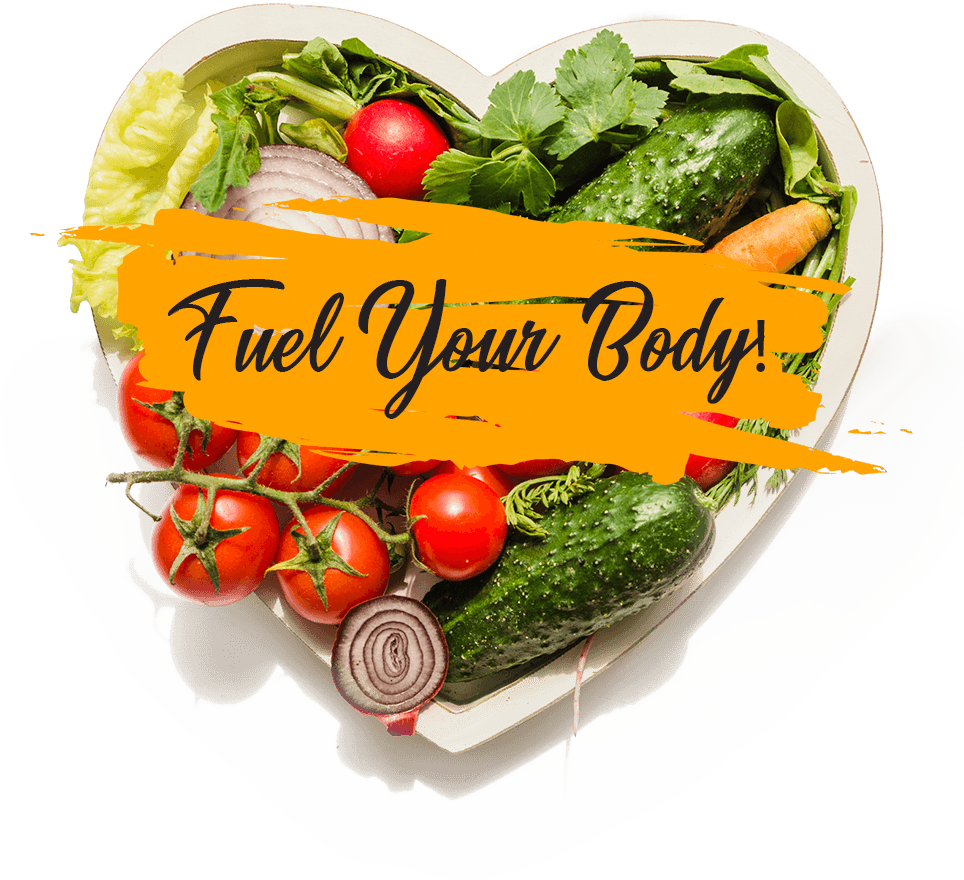
Regardless of the FDA’s strongly biased opinions, the fact remains that foods and superfoods do cure cancer. Broccoli reverses breast cancer. Carrots help reverse lung cancer. Ginger, onions and garlic shrink tumors throughout the body. These foods are healing foods, and they do in fact reverse serious disease. I’ve often said that if broccoli could be sold as a precription drug, it would be headline news. That’s because it offers a vast array of cancer-fighting compounds, including antiangiogenesis phytochemicals that help “starve” tumors so they die, all without harming healthy cells.One thing always makes me laugh about all this research, however: as usual, researchers are trying to peer inside the secrets of nature and isolate the “magic” compounds that create these anti-cancer effects. And that’s the wrong approach. Instead, people should be eating the whole foods — the whole broccoli — not taking lab-concocted broccoli-mimicking chemicals sold as prescription drugs. You want to cure your own cancer? Start eating raw or steamed broccoli (don’t cook it). And get the book Eat To Beat Cancer which tells you how to eat your way back to health with common, everyday grocery store foods.
It really isn’t a mystery. You don’t have to wait for science to tell you that broccoli reverses cancer. Nature has already proven it. Of course, it would also help if you’d stop poisoning yourself with sodium nitrite, refined sugar, white bread, soft drinks, hydrogenated oils and other metabolic disruptors. Your body can’t heal if it’s cowering under an assault of dietary poisons and chemical toxins.
Neural set point for the control of arterial pressure: role of the nucleus tractus solitarius Zanutto, B. SILVANO Valentinuzzi, Max E. Segura, Enrique T. info:doi/10.1186/1475-925X-9-4 info:pmid/20064256 BioMedical Engineering OnLine 2010, 9:4 2010-01-11 BioMedical Engineering OnLine 2010-01-11 9 1 Review 4 -->Review
Neural set point for the control of arterial pressure: role of the nucleus tractus solitarius
BioMedical Engineering OnLine 2010, 9:4doi:10.1186/1475-925X-9-4
Published: 11 January 2010
Most doctors look at treating High Blood pressure with drugs that effect the heart or kidneys. There needs to be a shift in thinking and treatment of high Blood pressure to the neural cause. This is a great paper showing High blood pressure is a brain issue. That's why exercise can lower your B.P. It stimulates the Brain!
From BBC.Co.Uk
Eating a curry once or twice a week could help prevent the onset of Alzheimer’s disease and dementia, a US researcher suggests.
The key ingredient is curcumin, a component of the spice turmeric.
Curcumin appears to prevent the spread of amyloid protein plaques – thought to cause dementia – in the brain.
But the theory, presented at the Royal College of Psychiatrists’ annual meeting, has been given a lukewarm reception by UK experts.
“ If you have a good diet and take plenty of exercise, eating curry regularly could help prevent dementia ”
Professor Murali Doraiswamy Duke University
Amyloid plaques, along with tangles of nerve fibres, are thought to contribute to the degradation of the wiring in brain cells, eventually leading to symptoms of dementia.Professor Murali Doraiswamy, of Duke University in North Carolina, said there was evidence that people who eat a curry meal two or three times a week have a lower risk of dementia.
He said researchers were testing the impact of higher doses – the equivalent of going on a curry spree for a week – to see if they could maximise the effect.
Animal studies
Professor Doraiswamy told the meeting: “There is very solid evidence that curcumin binds to plaques, and basic research on animals engineered to produce human amyloid plaques has shown benefits.”
“You can modify a mouse so that at about 12 months its brain is riddled with plaques.
“If you feed this rat a curcumin-rich diet it dissolves these plaques. The same diet prevented younger mice from forming new plaques.
“The next step is to test curcumin on human amyloid plaque formation using newer brain scans and there are plans for that.”
Professor Doraiswamy said a clinical trial was now underway at the University of California, Los Angeles, to test curcumin’s effects in Alzheimer’s patients.
He said research had also examined turmeric’s therapeutic potential for treating conditions such as cancer and arthritis.
Good diet
He stressed that eating a curry could not counter-balance the increased risk of dementia associated with a poor diet.
“ Indian communities that regularly eat curcumin have a surprisingly low incidence of Alzheimer’s disease but we don’t yet know why ”
Dr Susanne Sorensen Alzheimer’s Society
However, he said: “If you have a good diet and take plenty of exercise, eating curry regularly could help prevent dementia.”Professor Doraiswamy predicted it might be possible to develop a curry pill which had the same therapeutic effect.
However, Rebecca Wood, of the Alzheimer’s Research Trust, stressed that people would need to eat a lot of curry – over 100g of turmeric curry powder – to get a clinical dose of curcumin.
She said: “Professor Doraiswamy’s unpublished research applies only to animal models; his hypothesis has not been confirmed in human clinical trials.
“We look forward to the results of the human curcumin trial at UCLA.”
Dr Susanne Sorensen, of the Alzheimer’s Society, said: “Indian communities that regularly eat curcumin have a surprisingly low incidence of Alzheimer’s disease but we don’t yet know why.
“Alzheimer’s Society is keen to explore the potential benefits of curcumin in protecting the brain and we are conducting our own research into this area.
“A cheap, accessible and safe treatment could transform the quality of life of thousands of people with the condition.”
From MedIndia.net:
Researchers have found a combination of laser therapy to safely and effectively treat one of the most common skin conditions that plagues teenagers and adults alike-acne.
Dermatologist Macrene Alexiades-Armenakas, MD, PhD, FAAD, assistant clinical professor of dermatology at Yale University School of Medicine in New Haven, Conn., demonstrated how photodynamic therapy combined with a long-pulse, pulsed-dye laser and topical 5-aminolevulinic acid provides long-lasting clearance of acne lesions.
“Laser technology has made great inroads in the treatment of acne, which until recently has been treated almost exclusively, and with varying degrees of success, with topical, systemic and hormonal medications,” said Alexiades-Armenakas.
She added: “Now, we have solid evidence-based medicine supporting the effectiveness of certain laser therapies as a long-term solution for treating active acne. The key is to distinguish the benefits and limitations of these available technologies and select the most effective treatments for each acne patient.”
In a preliminary study, Alexiades-Armenakas examined whether a combination of photodynamic therapy (PDT) with a photosensitizer known as topical 5-aminolevulinic acid (ALA) and activated by long-pulse, pulsed dye laser could safely and effectively clear mild to severe cases of acne.
PDT works by using laser or light energy, in this case a pulsed dye laser was used, to activate the ALA, which is a solution that penetrates into the oil glands and is applied to the skin one hour prior to treatment.
As it penetrates, ALA binds to the oil glands and sensitizes the cells to light.
The researchers treated 14 patients with ALA PDT, who received one to six treatments depending on the severity of their acne and continued to use topical medications during and after the study.
The control group consisted of four patients who were either treated with conventional therapy (such as systemic or topical medications) or with laser energy but without ALA PDT.
After the analysis, Alexiades-Armenakas found that all (100 percent) of the 14 patients in the ALA PDT treatment group experienced complete clearance of their acne.
She reported that an average of 2.9 ALA PDT treatments was administered to this patient group and improvement in the acne lesions was visible within one to two weeks after the first treatment.
She said: “The first-of-a-kind study found this particular form of photodynamic therapy used in conjunction with topical therapy to be the first such treatment to achieve complete clearance of acne up to 13 months post treatment and a 77 percent clearance rate per treatment. Four subsequent studies conducted by other investigators involving an additional 75 patients demonstrated similar results.
“Patients also experienced an added benefit of significant improvement in their acne scars, as the pulsed dye laser offers superior penetration to the deeper layers of the skin where scars form.”
Side effects were limited to mild redness that lasted for 48 hours, and the treatment was found to be safe even for patients of color with no complications, such as hyperpigmentation.
For patients with intermittent acne flares and pronounced oily skin with large pores, ALA PDT treatment with a 1450nm diode laser that heats the deep layer of skin where the oil glands are located has been shown to help these patients in as little as one to three treatments.
The findings of the study were presented at the 67th Annual Meeting of the American Academy of Dermatology (Academy).
It's all about stimulating the brain. The brain is like a giant battery that needs to be charged and one of the major ways it receives that charge is through exercise. If the brain isn't working at close to 100% you will start to see break downs in the body systems. That's why you can see people who are sleep deprived have high B.P, Anxiety problems, depression, and a bunch of other health problems. Keep exercising and eating a whole foods diet to feed your brain.